




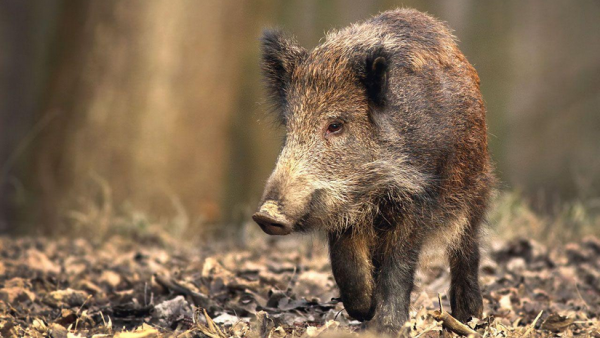
New findings from the European Food Safety Authority (EFSA) show that while fences can help contain the spread of African swine fever (ASF), they are not sufficient, for maximum effectiveness must be used alongside other measures. The latest analysis highlights, among other things, the possible role of insects in the spread of the virus, but also highlights the need for further research in this area.
The main findings of the EFSA report are:
- fences and other measures
Fences, in combination with culling, removal of carcasses and existing road infrastructure, can help control ASF in wild boar. However, their success depends on timely implementation, adaptability to changing epidemiological situations and regular maintenance. Natural barriers such as large rivers or urban areas can also limit the freedom of movement of wild boar.
- wild boar density
Although wild boar density is a significant factor, no clear and consistent effect was found in the analysis. Other factors such as habitat, climate and potential barriers also play a role in the spread of the virus, but additional data are needed for a full understanding.
- immunocontraception
EFSA experts examined the use of immunocontraception to reduce wild boar populations. They concluded that further research is needed to develop a safe and effective oral vaccine. These efforts should take into account, among other aspects, long-term environmental impacts.
- vector insects
The report examined the role of ticks and insects as potential carriers of the virus. While ticks have not been responsible for the spread of the virus in the EU over the past decade, the role of biting flies remains uncertain and requires further investigation.
- domestic pigs
For domestic pigs, strict biosecurity measures and specific management practices are crucial to prevent the introduction of the virus onto farms. These include safe storage of bedding material, use of insect nets and avoiding the spreading of manure from neighbouring farms, particularly in areas where ASF is circulating.
Ongoing efforts
EFSA experts continue to assess and identify risk and protective factors for ASF in both domestic pigs and wild boar populations. This ongoing work includes monitoring and reporting to build knowledge and support Europe-wide efforts to combat ASF.