



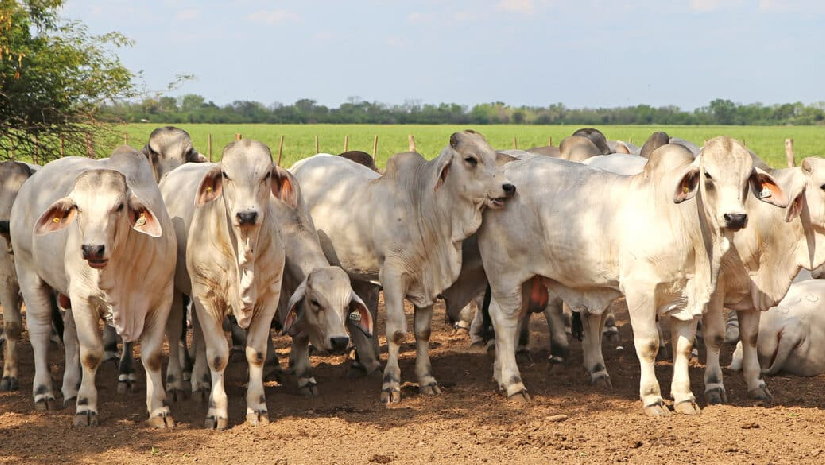
The approval to export beef and live cattle brings Paraguay closer to a market of 85 million consumers and new business opportunities.
Paraguay has been approved by Turkey to export beef and live cattle, a development confirmed this week by health authorities in both countries that could significantly expand trade opportunities for Paraguayan livestock. The decision represents a strategic step toward diversifying markets, strengthening livestock exports, and positioning the country in one of the Eurasian markets with the highest demand for animal protein.
The announcement comes after several months of technical and sanitary negotiations between the authorities of both countries. This approval is especially significant because Turkey has a population of over 85 million and maintains a strong demand for meat and live animals to supply its domestic market.
For Paraguay, one of South America’s leading beef exporters, the opening represents an opportunity to reduce dependence on traditional destinations and expand its presence in regions where consumption of animal protein continues to grow.
The authorization includes the export of both beef and live cattle, expanding the commercial alternatives for producers, meatpacking plants and exporters.
A market with potential for meat and live animals
Turkish approval opens a new trade window for one of the most important production chains in the Paraguayan economy. Livestock farming contributes a significant portion of the country’s exports and is a strategic activity for thousands of producers across different regions.
One of the most attractive aspects for the sector is access to the live cattle business , a segment where Turkey is among the largest international buyers. The demand for live animals for fattening and slaughter has made the Turkish market a destination of interest for numerous exporting countries.
However, the challenge doesn’t end with obtaining health permits. The possibility of establishing sustainable businesses will depend on the ability to develop efficient logistics systems, guarantee animal welfare during transport, and build competitive supply chains.
Industry operators believe that the opening could generate new investment opportunities in infrastructure, transport and services linked to the international livestock trade.
The news also comes at a favorable time for Paraguayan livestock farming, which in recent years has made progress in opening new markets and strengthening its international health recognition.
Audits, halal certification and next steps
Although official approval has already been communicated, there are still technical stages to be completed before the start of beef shipments.
Turkish authorities plan to conduct an evaluation visit to Paraguayan meatpacking plants during August to verify compliance with Turkish market requirements. The results of these inspections will be crucial for granting final authorization to export plants.
Another relevant aspect is the implementation of procedures related to halal certification, an essential requirement for marketing meat in Turkey and in numerous Muslim-majority markets.
The certification guarantees that the slaughtering and processing procedures meet the religious standards required by consumers in those destinations.
The sector is also closely monitoring trade conditions. Turkey currently applies high tariffs to beef imports, which necessitates exploring specific mechanisms to improve the competitiveness of Paraguayan beef.
Despite this situation, the authorization is seen as a positive sign for the national livestock industry. The possibility of accessing a new, large-scale market strengthens Paraguay’s trade diversification strategy and reinforces the international standing of an industry that continues to expand its presence across different continents.
The opening also confirms the value of the health and control systems implemented by the country, a factor that remains crucial for conquering new markets and sustaining the growth of agricultural exports.